
Does Alcohol Make You Sleepy? What We Know
Tart cherry juice contains a blissful blend of both melatonin and tryptophan, an essential amino acid that helps boost the body’s serotonin levels. It also decreases inflammation and improves mood and anxiety levels. Pure cocoa has been linked to mood boosting, stress fighting, antioxidants, and other health benefits. Unfortunately, store bought hot chocolate may worsen sleep due to naturally occurring substances.
Why Does Warm Milk Make You Sleepy?
- Further, alcohol acts as a diuretic—meaning it makes you need to pee.
- Even a single drink increases the risk of snoring or obstructive sleep apnea.
- It’s not bad to drink alcohol every day, especially at night, as long as you know your body’s limit.
- However, hot water can disrupt these enzymes and limit their ability to extract nutrients.
- According to one study in women who recently gave birth, drinking magnolia tea for 3 weeks significantly improved depression and sleep quality, compared with a control group (5).
Drinking warmed milk at bedtime may help some people rest easier, though the evidence is mostly anecdotal. While science hasn’t firmly validated the milk-sleep association, many people find that a warm beverage soothes the belly. For some, the act of sipping on a warm beverage as a regular part of your nightly routine may also build a mental association, signaling to your body that it’s time to relax for the evening. The potentially relaxing effect of warm milk may also have to do with some of its nutritional components. Eating a banana will ensure you get about 23 to 31 grams of carbohydrates — more than drinking banana tea alone. Also, eating a banana will provide 100% of the fruit’s 3 grams of fiber, which is good for health and may also contribute to a good night’s sleep.

What are the long-term effects of alcohol on sleep?
While moderate wine consumption may offer some potential sleep benefits, it’s crucial to consider the risks and potential drawbacks of using alcohol as a sleep aid. One of the primary concerns is the risk of developing alcohol dependency and tolerance. However, nighttime snacking has been linked with health problems like elevated blood pressure, metabolic syndrome, and heart disease.
Alcohol and Insomnia: That Nightcap Might Keep You Up at Night
Whether this is an issue for you will depend on how sensitive to caffeine you are and how much hot chocolate you consumed before going to bed. Your favorite cup of hot chocolate typically is made with milk, cocoa, and a sweetener. There’s also the popular add-ons – a dab of whipped cream or sprinkling of marshmallows. Yet, it’s the total water intake rather than the timing that might support your weight loss efforts. Yes, technically speaking, drinking water before heading to sleep can show a weight gain on the weighing scale.

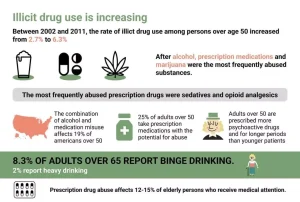
- Nearly half of adults over age 65 report having consumed alcohol in the past year, according to NCOA guest author and alcohol use researcher Paul Sacco.
- Good sleep is essential for all of us, and it’s important to take steps to promote quality sleep each night.
- What if you are a chocolate lover, does chocolate milk help you sleep?
Perhaps the most significant risk of using wine as a sleep aid is the potential for disrupted sleep patterns and rebound insomnia. While alcohol may help you fall asleep faster initially, it often leads to fragmented sleep and more frequent awakenings during the night, particularly in the second half of the sleep cycle. This can result in less restful sleep overall and may lead to daytime fatigue and decreased cognitive performance. Common beliefs about alcohol and sleep often paint a alcoholism simplistic picture of its effects. One ritual that many swear by once it’s dark outside is sipping on a glass of milk before bedtime. Drinking milk at night has sort of become a timeless tradition that is synonymous with warmth and goodness.
- During sleep, the body cycles through all of these stages every 90 to 120 minutes, with NREM sleep dominating the first part of the night and REM increasing during the second part of the night.
- Also, getting up multiple times at night puts you at increased risk for falling.
- As your body metabolizes the alcohol and the sedative effects wear off, it can interfere with your circadian rhythm, and cause you to wake up frequently or before you’re properly rested.
- Drinking a certain amount of water before bed can help your kidneys and digestive system eliminate waste.
- Similarly to ashwagandha, the root of the valerian plant is used as a medicinal herb that’s known to promote sleep and relieve insomnia.
- Magnesium is a mineral that relaxes tense muscles and maintains GABA neurotransmitter levels.
Is it good to drink apple cider vinegar before going to bed?
Poor quality sleep can lead to stress, fatigue, mood disorders, higher risk of obesity, metabolic does drinking help you sleep syndrome, and cardiovascular disease. Additionally, mindfulness meditation is a powerful tool for promoting relaxation and reducing stress. By practicing mindfulness, you can learn to focus on the present moment and let go of racing thoughts and worries that may be keeping you awake. This can help create a sense of inner peace and contentment, setting the stage for a peaceful night’s sleep. By taking slow, deep breaths and focusing on your breath, you can activate the body’s relaxation response and lower your heart rate and blood pressure. This can help quiet the mind and prepare your body for a restful night’s sleep.
Think green with matcha milk and its relaxing L-theanine

Individuals with sleep apnea often snore, gasp for air while asleep and wake frequently throughout the night. You may wake feeling tired, groggy and not well rested—even if you seemingly slept the entire night. While this may work for a short time, typically, more alcohol is needed to accomplish this over time. This practice can mask an underlying sleep disorder such as obstructive sleep apnea which may be causing the insomnia in the first place. More than 70% of those with alcohol use disorder (AUD) also experience alcohol-induced sleep disorders, such as insomnia, according to scientists in a 2020 review.
How much whiskey should you drink before bed?
All of the health benefits are found in moderate consumption – mere ounces per day. Physician Sir Hans Sloane is credited with the discovery of chocolate milk. In the early 1700s Sloane spent time in Jamaica and the locals introduced him to cocoa. In our article, we take a look at how milk can help you sleep, if milk temperature matters, and other sleep-inducing drinks that are just as effective as milk. This red juice also acts as a natural sedative and promotes a sound sleep.

Leave a Reply