
Alcohol and sleep I: effects on normal sleep
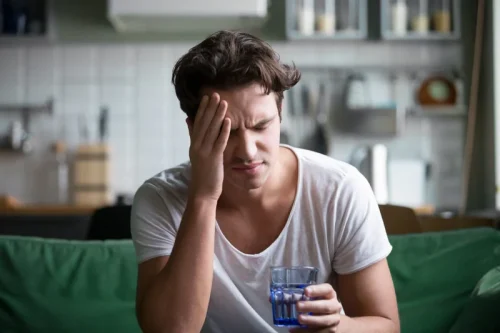
Polysomnography may be useful to verify sleep difficulties or to diagnose other sleep pathology such as sleep apnea. This article reviews the relationship between alcohol and insomnia, including how alcohol can affect sleep quality alongside the risks of poor sleep quality. It also considers ways to manage insomnia and prevent sleep disruption and answers some frequently asked drug addiction treatment questions. On the surface, alcohol’s sedative effects can feel like they would ease the symptoms of insomnia and help you fall asleep.
- Today, we dive deeper into the connection between alcohol and sleep to discover if a harmonious relationship between the two is possible.
- Ultimately, researchers found that alcohol before sleep dramatically affects sleep architecture (the structural organization of sleep and how you move through sleep stages one, two, three, and four).
- Differences in activity in the fast frequency bands (beta and gamma) duringsleep between alcoholics and controls are less consistent.
Sleep homeostasis in withdrawal-induced sleep disruptions

Over time, poor quality sleep can have a negative influence on many different aspects of your life, including your long-term health. If you’re experiencing sleeping issues, insomnia after drinking whether related to alcohol consumption or not, consider talking to your health care provider or a sleep specialist. The sleep EEG effects in those with long-term alcohol dependence are theopposite to those following acute alcohol administration.
- Sleep disruptions of any kind can make you feel more tired the following day.
- Be patient with yourself and recognize that each day is a new opportunity to reduce your alcohol intake and improve your sleep.
- In addition to the alcohol dose consumed, the basal (i.e., normal) level of SWS in the study population appeared to be the most likely factor determining whether SWS was increased.
- Some individuals may be more susceptible to alcohol’s sleep-disrupting effects than others.
- During wakefulness, energy (ATP) usage is high in wake-promoting systems, due to increased neuronal firing, synaptic activity, and synaptic potentiation.
- The typical sleep cycle begins with three non-rapid eye movement (NREM) stages of sleep and ends with rapid eye movement (REM).
- While it may take longer for sleep and circadian rhythms to return to normal in people who drink more often in higher amounts, quitting alcohol can help.
How Does Alcohol Affect the Sleep Cycle?
The most common type of sleep apnea is obstructive sleep apnea (OSA), and it occurs when the tissues in the mouth and throat relax and block the airway during sleep. This significant correlation, which remained after excluding persons already diagnosed with anxiety or depression, reaffirms the importance of effective management of depression and anxiety for improving sleep quality. When you’re in the first two stages, you’re in “light sleep.” When you’re in the third stage, you’re in “deep sleep.” And the fourth stage is your “vivid,” or dream, stage. While every person’s individual sleep cycle varies, it’s generally true that each of us goes through four to six rounds of it. Each cycle lasts around 90 minutes total, which adds up to between six and nine hours https://ecosoberhouse.com/ of sleep. In addition to the homeostatic drive, the normal sleep-wake cycle is also linked to an underlying circadian rhythm.
Is it okay to have a couple of drinks every night to help me fall asleep?
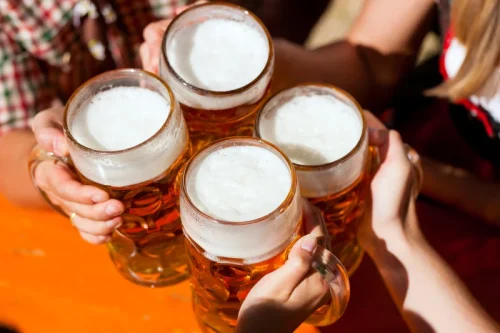
Sleep disturbance is common among patients in remission from alcohol use disorders, and understanding this relationship may help clinicians assist patients in recovery. Recognition of alcohol problems among insomniacs might also lead clinicians to alter their treatment of sleep complaints, limiting, for example, their use of sedative-hypnotic agents. Long-term alcohol use negatively affects REM cycles and decreases sleep quality. Over time, sleep deprivation can increase the risk of several chronic health conditions.
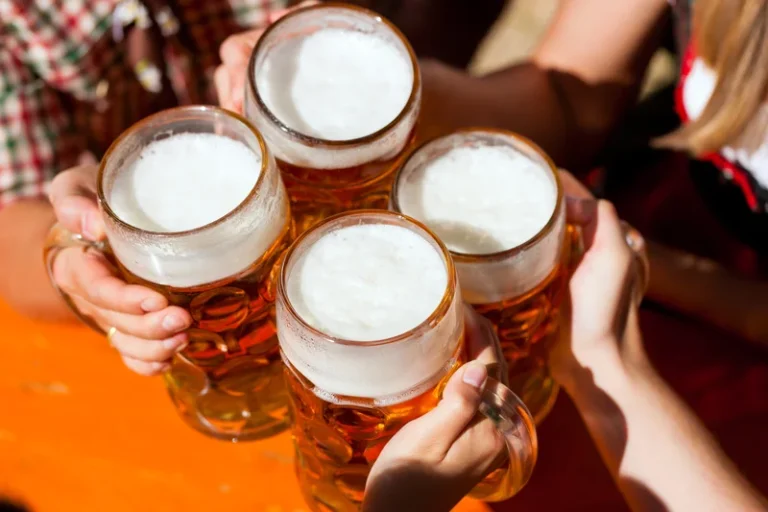
Among alcohol dependent persons, acute intoxication induces sleep onset, albeit with disruptions in the latter half of the night. Sleep is more severely disturbed during withdrawal and recovery, with longer sleep latency, more arousals, poor sleep efficiency, reduced slow wave sleep and REM rebound (42–45). Cross-sectional studies suggest that for nearly half of alcohol dependent patients sleep disturbance persists for months after last use (46,47), and can last for 2 years or longer (48,49).
- There is a myriad of treatises and reviews, scientific and non-scientific, trying to explain the phenomenon of sleep, yet none have been comprehensive enough to gain general acceptance.
- However, again, thereare other possible mechanisms that may also contribute to these effects.
- As blood alcohol levels rise and fall, alcohol exerts different effects on your sleep.
- Since alcohol affects everyone differently, it’s important to understand where your limit lies and how much alcohol you can drink before it starts to affect your sleep.
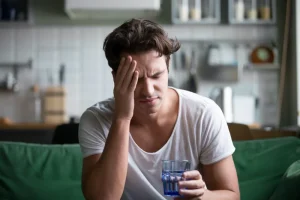
Pair that with the common misconception that your nightcap will help you catch forty winks, and there’s your recipe for disaster. While there’s still more research to be done to understand exactly why alcohol affects different components of sleep – particularly in those who drink large amounts on a regular basis – we do know of a few mechanisms linking alcohol consumption to sleep. Sleep disruptions of any kind can make you feel more tired the following day. Disturbed REM sleep can also lead to impairments in the consolidation of memories, cognitive function and how you regulate your emotions. Guy Meadows, a sleep researcher and co-founder of The Sleep School, an online platform offering science-based support around sleep, told Live Science that alcohol affects the four stages of sleep in different ways.

Leave a Reply